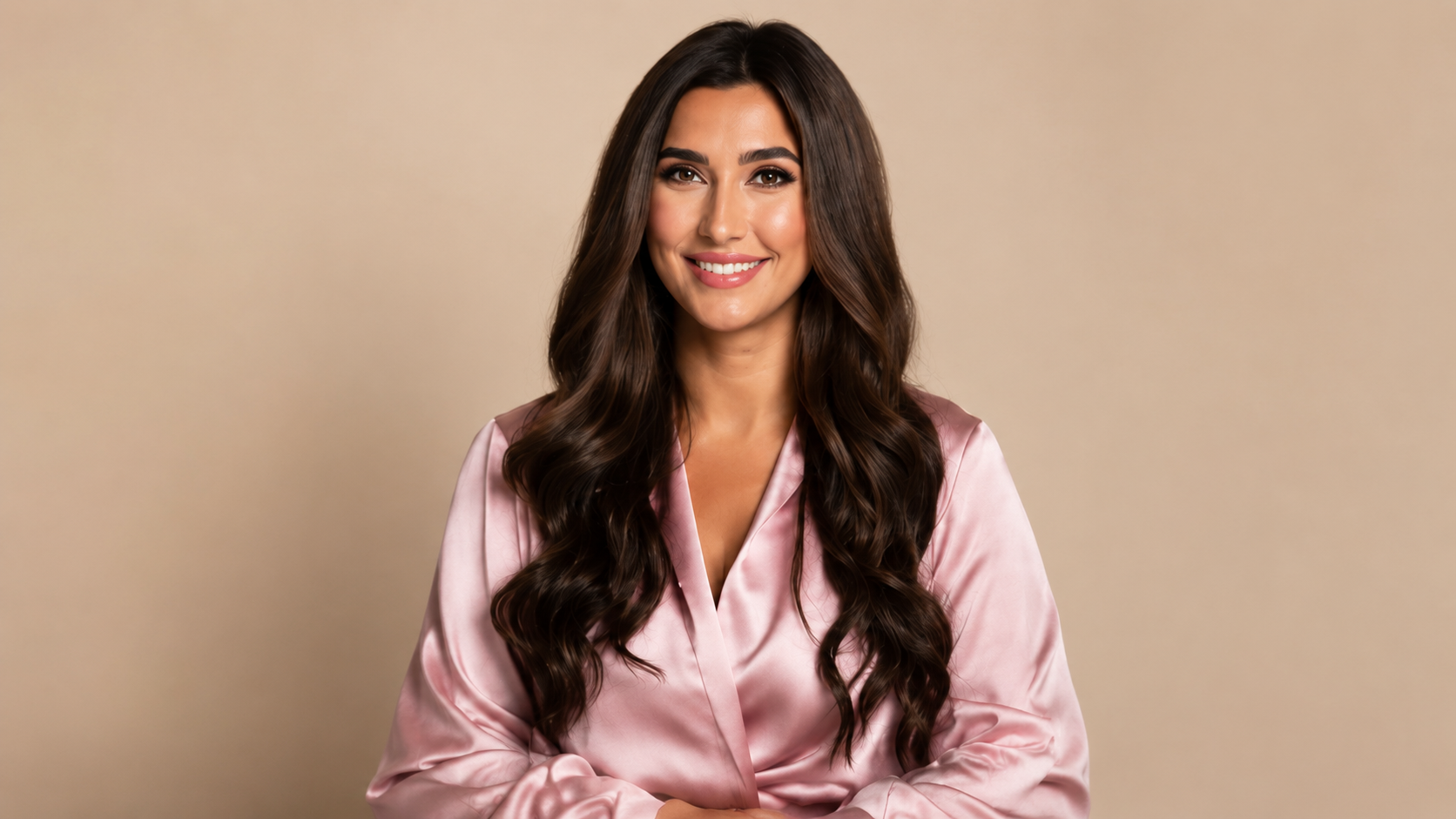
The beauty industry has changed dramatically over the past decade. Consumers no longer buy skincare products based only on luxury branding or celebrity influence. Modern customers want transparency, ingredient awareness, ethical production, and products that genuinely align with their lifestyle. Social media accelerated beauty trends globally, but it also created skepticism. People are now more informed than ever before, yet also more cautious about exaggerated claims and trend-driven marketing.
That shift created the opportunity for Set Moosavi and KYRO Beauty, a brand positioned around modern skincare, self-care culture, and purposeful beauty experiences rather than traditional cosmetic advertising alone. Instead of relying purely on glamour-focused branding, KYRO Beauty appears to focus on confidence, simplicity, and products designed for real-world routines. The strategy reflects an understanding that today’s beauty consumers increasingly want brands that feel authentic, practical, and emotionally relatable.
For Moosavi, the challenge extended beyond launching another beauty label into an already saturated market. The deeper issue involved building customer trust inside an industry where trends change rapidly and loyalty is difficult to maintain. KYRO Beauty appears to have approached growth by emphasizing identity, quality, and lifestyle connection instead of chasing temporary internet hype. That balance between branding and practical usability became central to how the company established its presence.
The Problem KYRO Beauty Was Really Solving
One of the biggest frustrations for skincare consumers today is confusion. The market is filled with endless routines, viral ingredients, and heavily filtered marketing campaigns that often create unrealistic expectations. Many people buy products impulsively after seeing social media recommendations, only to abandon them later because the routines feel complicated or unsustainable.
KYRO Beauty appears to approach this issue by simplifying the skincare experience while maintaining a modern and aspirational identity. The company’s positioning suggests a focus on helping customers feel comfortable with products that fit naturally into everyday life rather than encouraging excessive product dependency. Set Moosavi seemed to recognize early that many consumers are becoming tired of overwhelming beauty culture built around endless trends and unrealistic perfection.
Another challenge within beauty markets involves emotional trust. Consumers increasingly want brands that understand how skincare connects to confidence, wellness, and personal identity rather than appearance alone. KYRO Beauty appears aligned with that broader cultural movement where beauty products are viewed as part of self-care and lifestyle balance instead of purely cosmetic transformation.
The company also entered an industry increasingly shaped by ingredient awareness and transparency. Customers now pay closer attention to product quality, ethical positioning, and overall brand authenticity. Moosavi’s strategy appears connected to that shift toward more informed and selective consumer behavior.
Why Set Moosavi Saw the Industry Differently
Set Moosavi appears to approach beauty from a lifestyle and behavioral perspective rather than purely a cosmetic one. While many skincare brands compete aggressively through influencer visibility and constant product launches, Moosavi’s strategy seems grounded in creating products and branding that customers can realistically integrate into their daily routines.
Part of this perspective likely comes from understanding how emotionally exhausting modern beauty culture has become for many consumers. People are constantly exposed to highly curated beauty standards online, creating pressure to follow complicated routines and purchase excessive products. KYRO Beauty instead appears more focused on confidence, simplicity, and sustainable skincare habits. That operational mindset reflects a deeper understanding of what many consumers now want from modern beauty brands.
Moosavi also seemed to recognize that smaller beauty companies cannot compete directly with global cosmetic giants through advertising scale alone. Large corporations dominate retail placement and influencer marketing budgets. KYRO Beauty therefore appears more relationship-oriented, emphasizing identity, emotional connection, and customer trust instead of trying to overpower the market through visibility alone.
There is also an important branding discipline visible in this approach. Many skincare brands constantly reposition themselves around whichever ingredient or trend becomes popular online. KYRO Beauty appears more careful about maintaining a consistent identity and aesthetic rather than aggressively chasing every beauty cycle dominating social platforms.
What Made Set Moosavi Different From Competitors
One of the clearest differences between Set Moosavi and many competitors was the company’s apparent focus on intentional beauty branding rather than aggressive product overload. In the skincare industry, brands often launch large catalogs rapidly in an effort to maximize visibility and sales opportunities. KYRO Beauty appears more focused on maintaining clarity and customer understanding instead of overwhelming buyers with endless options.
Another differentiator involved communication style. Many beauty brands rely heavily on exaggerated scientific language or unrealistic transformation promises. Moosavi’s approach appears more grounded and emotionally accessible. The company seems interested in helping customers feel connected to the brand rather than pressured into impossible beauty standards.
The brand also appears positioned around lifestyle identity and emotional trust instead of purely trend-driven attention. Modern beauty consumers increasingly value authenticity because they have become skeptical of influencer-heavy marketing disconnected from real product performance. KYRO Beauty’s strategy suggests a stronger emphasis on long-term customer relationships and everyday usability.
Customer experience likely became another important advantage. Smaller beauty brands often build loyalty through stronger emotional connection and more recognizable brand personality than large corporations can realistically maintain. Moosavi’s leadership style appears closely aligned with that strength.
The Decision That Changed KYRO Beauty
For KYRO Beauty, one of the most defining strategic decisions appears to have been focusing on brand identity and customer loyalty instead of aggressively expanding product lines too quickly. Many skincare startups chase visibility through endless launches, collaborations, and social media trends. While that approach can generate rapid attention, it often weakens product consistency and operational focus.
Set Moosavi appears to have taken a more disciplined path. Instead of treating growth as purely a marketing challenge, KYRO Beauty seems focused on building a recognizable lifestyle identity customers can trust over time. That decision likely strengthened customer loyalty because consumers increasingly prefer brands that feel stable and authentic rather than constantly reinventing themselves around temporary trends.
The strategy also reflects an understanding that skincare brands survive through repeat trust more than one-time purchases. Consumers become loyal when products integrate successfully into routines and emotional identity over time. Operational consistency, branding clarity, and customer confidence therefore become more important than constant reinvention.
That patience may create slower visibility compared to highly viral beauty startups, but operationally grounded brands often build stronger long-term positioning in crowded consumer markets.
Turning Mission Into Operations
A beauty brand’s mission only becomes meaningful when reflected consistently through products, branding, and customer experience. For KYRO Beauty, that likely meant focusing heavily on product quality, usability, and emotional branding consistency rather than relying solely on aesthetics or social media visibility.
Execution therefore becomes critical. Consumers use skincare products daily, meaning even small inconsistencies in product performance or brand messaging can affect trust quickly. KYRO Beauty appears to emphasize reliability because long-term beauty relationships depend heavily on customer comfort and predictability.
Another operational advantage likely came from understanding modern customer expectations. Consumers increasingly evaluate skincare brands through multiple factors simultaneously, including ingredient transparency, ethical positioning, emotional connection, and overall lifestyle alignment. Moosavi’s strategy seems aligned with those evolving priorities instead of older beauty industry assumptions centered purely around glamour and luxury imagery.
The company’s broader positioning also reflects larger changes happening across modern wellness and self-care markets. Customers increasingly prefer brands that feel understandable, relatable, and emotionally supportive rather than highly performative or intimidating.
The Difficult Reality of Scaling
Scaling beauty brands introduces operational pressure from multiple directions simultaneously. As companies grow, they must maintain manufacturing consistency, supply chain reliability, customer trust, and product quality while competing inside highly saturated markets. Even successful skincare products can lose credibility quickly if operational consistency weakens during expansion.
Set Moosavi likely faced the challenge common to many independent beauty founders: balancing growth opportunities against brand identity preservation. Expanding too aggressively can weaken customer trust and operational quality, while expanding too cautiously risks losing relevance inside fast-moving beauty cycles. Managing that balance requires operational discipline many consumer startups struggle to maintain.
Competition also intensified as celebrity-backed brands and large cosmetic companies expanded deeper into skincare and self-care categories. Smaller brands increasingly compete not only on product quality but also on emotional connection, authenticity, and customer loyalty. That forces companies like KYRO Beauty to differentiate through identity and trust rather than advertising scale alone.
Public scrutiny surrounding beauty brands has also increased significantly. Consumers now question ingredient claims, sustainability messaging, and influencer partnerships far more critically than before. Maintaining credibility under those conditions requires careful alignment between branding, operations, and customer experience.
What Set Moosavi’s Story Actually Reveals
The story of Set Moosavi and KYRO Beauty reflects a broader shift happening across modern beauty markets. Consumers are becoming less interested in unrealistic beauty culture and more focused on brands that support confidence, simplicity, and sustainable self-care habits. Trust, emotional connection, and practical usability increasingly matter more than temporary trend visibility.
Moosavi’s approach also highlights how modern beauty founders increasingly succeed through operational understanding rather than pure marketing scale. Customers want products and brands that feel authentic, stable, and aligned with real everyday behavior instead of highly filtered internet perfection. In that sense, KYRO Beauty represents more than a skincare company. It reflects the growing demand for purpose-driven beauty brands built around confidence, balance, and long-term trust.