The wellness industry has spent years selling simplified answers to deeply complicated health problems. Drink this. Avoid that. Follow a routine for thirty days and everything changes.
For many consumers, especially women navigating stress, aging, fatigue, and hormonal shifts, the reality feels far less predictable.
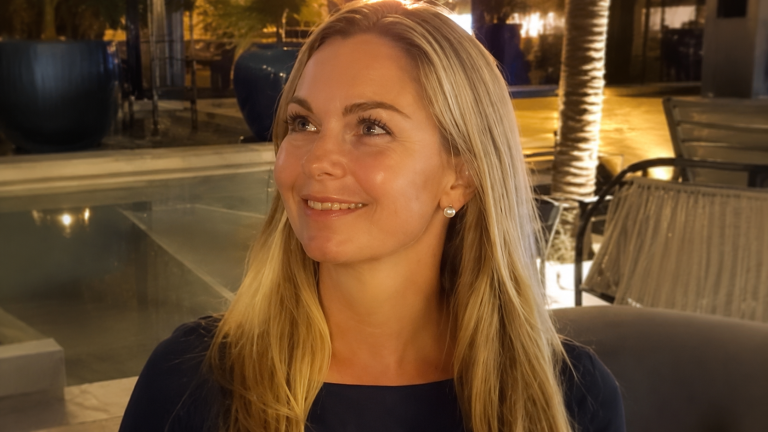
That disconnect helped shape the rise of Lifestyle & Hormones, founded by Margot Roon, whose approach appears rooted in a more nuanced understanding of wellness — one that treats hormonal health not as a trend category, but as a long-term lifestyle issue affecting energy, mood, productivity, and everyday decision-making.
The story behind Margot Roon Lifestyle & Hormones reflects a broader shift happening across modern wellness culture: people are increasingly skeptical of extreme health narratives and more interested in sustainable, individualized support.
That change is quietly reshaping the business of wellness itself.
The Problem Lifestyle & Hormones Was Really Solving
Hormonal health sits at the intersection of medicine, lifestyle, mental well-being, and daily routine. Yet many consumers feel underserved by traditional systems that either oversimplify symptoms or fail to connect them to broader lifestyle patterns.
The result is frustration.
People spend years experimenting with diets, supplements, exercise plans, and wellness products without fully understanding how stress, sleep, nutrition, aging, and hormonal balance interact operationally inside the body.
Lifestyle & Hormones entered a market filled with fragmented advice. The company’s positioning appeared centered on helping people understand hormonal wellness through practical lifestyle integration rather than isolated quick fixes.
That distinction mattered because consumers increasingly wanted clarity, not just more information.
The internet already offered endless health content. What many people lacked was interpretation that felt realistic, emotionally intelligent, and sustainable.
Margot Roon seemed to recognize that early.
Why Margot Roon Saw the Industry Differently
Many wellness businesses build themselves around intensity. Strict programs. Aggressive transformation messaging. Constant optimization.
Margot Roon appeared to move in another direction.
Rather than presenting wellness as a performance competition, her approach seemed grounded in long-term balance and behavioral sustainability. That mindset aligns with a larger cultural shift happening across health industries.
Consumers are becoming more cautious of exaggerated health claims and emotionally manipulative wellness marketing. They increasingly value guidance that acknowledges complexity instead of pretending every problem has a universal solution.
That realism creates trust.
For Lifestyle & Hormones, the focus appears less about perfection and more about helping people make manageable changes that improve quality of life over time.
It is a quieter positioning.
But often a more durable one.
What Made Margot Roon Different From Competitors
The hormonal wellness market has become intensely competitive, filled with supplement brands, influencers, coaching programs, and health startups all competing for attention.
Many rely heavily on fear-driven messaging.
Margot Roon differentiated by building a brand identity that felt more grounded and educational rather than alarmist. Instead of treating hormonal imbalance as a crisis requiring dramatic intervention, Lifestyle & Hormones appeared focused on helping people understand the broader lifestyle factors influencing well-being.
That approach changes the customer relationship.
Consumers today are increasingly selective about wellness brands because health decisions feel deeply personal. Trust becomes more important than visibility. Emotional tone matters as much as product quality.
Brands that reduce anxiety often build stronger long-term loyalty than brands constantly amplifying it.
That likely became part of the company’s appeal.
The Decision That Changed Lifestyle & Hormones
One defining strategic decision appears to have been resisting the pressure to oversimplify hormonal health for mass-market appeal.
Many wellness companies grow quickly by reducing complex health issues into highly marketable narratives. While effective commercially, that strategy often weakens credibility over time.
Margot Roon instead positioned Lifestyle & Hormones around a more educational and lifestyle-centered framework.
That decision likely slowed rapid expansion opportunities initially.
But it strengthened long-term trust.
Consumers increasingly recognize when health brands prioritize marketing simplicity over honest guidance. Companies willing to embrace nuance often build deeper credibility, especially in wellness categories where customer vulnerability is high.
In health-focused industries, credibility compounds slowly.
And disappears quickly.
Turning Mission Into Operations
Wellness businesses frequently speak about empowerment while operating through aggressive sales systems that create emotional pressure. The operational side of health brands often reveals more than the marketing itself.
For Lifestyle & Hormones, operational credibility likely depended on maintaining consistency between messaging and customer experience.
That includes educational content, product recommendations, communication style, and customer support structures. Businesses operating in health-adjacent industries face unusually high expectations because consumers are placing personal trust in the company’s guidance.
That creates internal pressure.
Teams must balance accessibility with accuracy. Marketing must remain engaging without becoming manipulative. Recommendations must feel practical rather than overwhelming.
Operational discipline becomes essential.
Margot Roon’s leadership approach appears connected to understanding that wellness companies succeed long term when customers feel calmer, clearer, and more informed after engaging with the brand — not more anxious.
The Difficult Reality of Scaling
Scaling wellness businesses introduces tensions many founders underestimate.
As Lifestyle & Hormones expanded, maintaining authenticity likely became harder. Customer expectations increase alongside visibility. Audiences demand more personalization, faster support, and stronger transparency around claims and recommendations.
The wellness industry is also under growing scrutiny.
Consumers are increasingly skeptical of unsupported health claims, influencer-driven advice, and supplement-heavy business models. Regulatory attention around wellness marketing continues to intensify globally.
That changes how companies operate.
Businesses now face pressure to remain commercially viable while preserving scientific credibility and emotional trust simultaneously. Move too aggressively into trend cycles, and the brand risks losing seriousness. Move too cautiously, and visibility declines.
For founders like Margot Roon, scaling becomes less about audience size and more about protecting trust while adapting to changing wellness expectations.
That balancing act defines whether health brands endure.
What Margot Roon’s Story Actually Reveals
The rise of Margot Roon Lifestyle & Hormones reflects a broader shift happening inside modern wellness culture. Consumers are becoming less interested in extreme transformation and more interested in sustainable health systems that fit into real life.
That changes which brands matter.
The wellness companies building long-term credibility are often the ones replacing pressure with clarity. Customers increasingly value guidance that feels emotionally realistic rather than aspirationally perfect.
Roon’s approach suggests that the future of wellness may belong less to brands selling idealized lifestyles and more to companies helping people navigate complexity without becoming overwhelmed by it.
And in health, that kind of restraint can become a competitive advantage.