Business growth is often presented as a matter of strategy, innovation, or market opportunity. Yet for many organizations, sustainable growth depends on something less visible: the ability to manage operations effectively while adapting to changing market conditions. Companies frequently pursue expansion without addressing the management challenges that accompany it, creating inefficiencies that eventually slow progress.
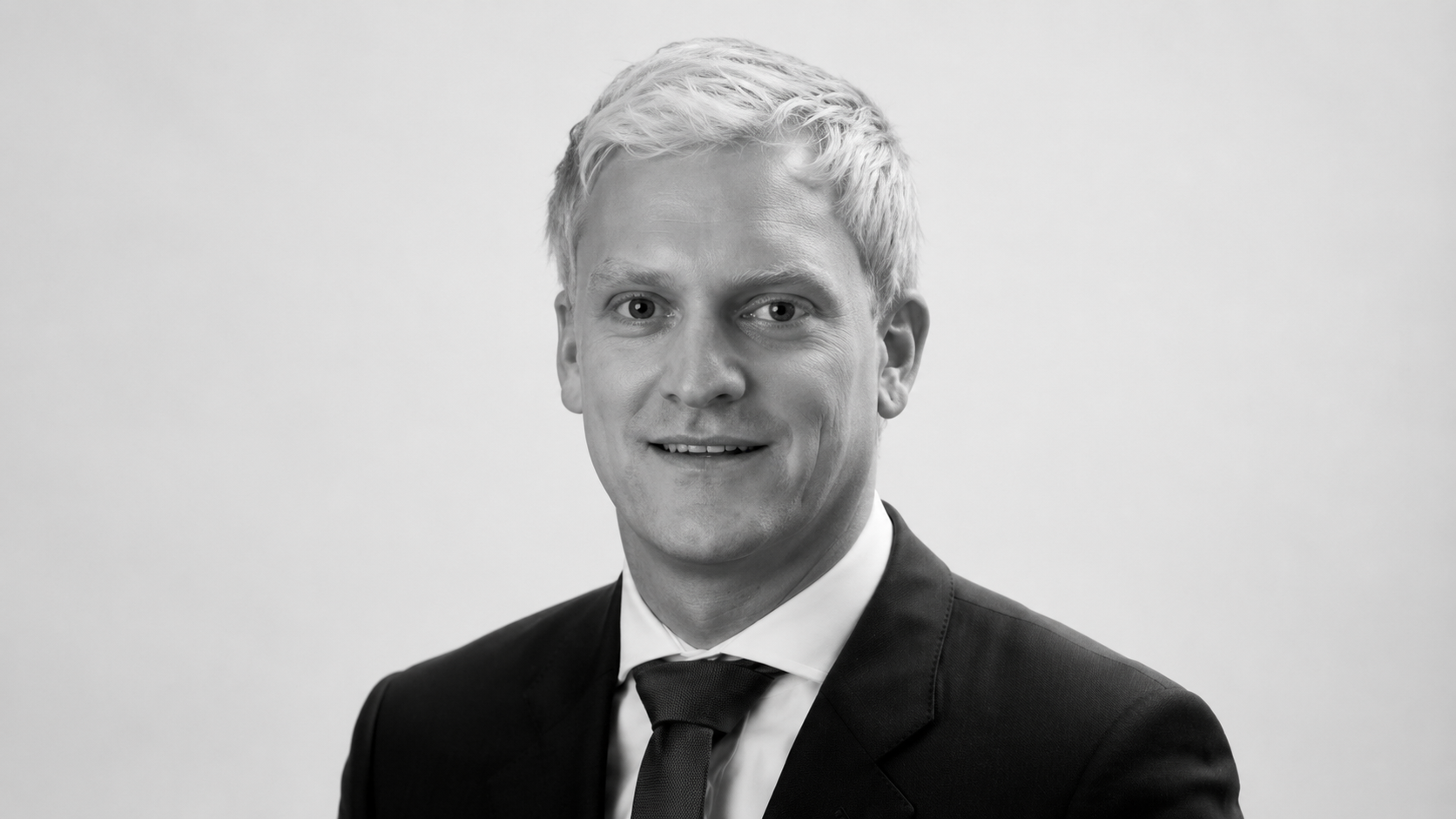
That reality sits at the center of Torgeir Dale ABG Business Management, a story shaped by the belief that strong management systems are often more valuable than ambitious plans. Through ABG Business Management, Torgeir Dale has focused on helping organizations strengthen leadership, improve operational performance, and create structures capable of supporting long-term success. The company’s approach reflects a practical understanding of how businesses actually function rather than how they appear in strategic presentations.
As economic uncertainty, technological change, and increasing competition continue to reshape industries, organizations face growing pressure to make better decisions with fewer resources. For Torgeir Dale, this environment presents both a challenge and an opportunity. Businesses need more than ideas; they need frameworks that help transform those ideas into measurable outcomes. ABG Business Management has built its position around helping companies close that gap.
The Problem ABG Business Management Was Really Solving
ABG Business Management entered a market where businesses already had access to extensive information, consultants, and management resources. Despite this abundance of expertise, many organizations continued to struggle with execution. Leadership teams often understood their objectives but lacked the operational clarity required to achieve them consistently.
A significant part of the problem stemmed from complexity. As businesses grow, processes become more complicated, communication becomes more difficult, and decision-making can slow considerably. Companies frequently discover that systems which supported early success become obstacles as operations expand. Without effective management structures, growth itself can create new challenges.
ABG Business Management recognized that clients were not simply seeking advice. They were looking for practical solutions that could improve performance, strengthen accountability, and create sustainable operating models. By focusing on management effectiveness rather than abstract business theory, the company positioned itself around solving problems that directly affect organizational performance.
Why Torgeir Dale Saw the Industry Differently
For Torgeir Dale, effective management appears to begin with understanding how organizations operate on a daily basis. While many business advisors emphasize strategy and vision, his perspective focuses on the systems, behaviors, and processes that determine whether objectives are actually achieved. This practical orientation allows him to address problems that often remain hidden beneath broader business discussions.
Rather than assuming that growth challenges require complex solutions, Dale’s approach emphasizes clarity and alignment. Organizations frequently possess the talent and resources necessary to succeed but struggle because priorities are unclear or responsibilities are poorly defined. Addressing these issues can often produce significant improvements without requiring substantial investment.
His perspective also reflects an appreciation for adaptability. Markets change continuously, and management systems must evolve alongside them. Businesses that rely exclusively on past successes often find themselves unprepared for new realities. ABG Business Management encourages organizations to build structures capable of supporting both stability and change, a balance that has become increasingly important in modern business environments.
What Made Torgeir Dale Different From Competitors
One factor that distinguishes Torgeir Dale is his emphasis on implementation. Many consulting firms excel at identifying opportunities but place less attention on execution. ABG Business Management focuses on helping organizations apply recommendations in practical settings, ensuring that improvements become part of daily operations rather than remaining theoretical concepts.
This commitment to implementation influences the company’s relationships with clients. Rather than approaching projects as isolated engagements, the firm often works closely with leadership teams throughout the improvement process. This collaborative model increases accountability and helps organizations overcome obstacles that frequently emerge during execution.
Another differentiating characteristic is the company’s focus on long-term capability building. Businesses often seek immediate results, but sustainable success requires stronger management practices, improved decision-making, and more effective organizational structures. By concentrating on these areas, ABG Business Management creates value that extends beyond individual projects or short-term objectives.
The Decision That Changed ABG Business Management
The defining decision for ABG Business Management was choosing to focus on management effectiveness rather than broader consulting services. Many advisory firms pursue diversification, offering solutions across numerous disciplines in an effort to expand market opportunities. ABG instead concentrated on helping organizations improve leadership, operational performance, and organizational effectiveness.
This decision carried risks. Specialization can limit the number of potential engagements and requires deep expertise within a specific area. However, it also creates differentiation in a crowded consulting market where many firms compete using similar messages and service offerings. By concentrating on management improvement, the company established a clearer identity and stronger competitive position.
For Torgeir Dale, the decision reflected a broader belief about business performance. Organizations rarely fail because they lack opportunities. More often, they struggle because systems, processes, and leadership practices prevent them from capitalizing on those opportunities effectively. Focusing on management quality allowed ABG to address a root cause rather than simply treating symptoms.
Turning Mission Into Operations
A commitment to management improvement requires operational discipline. ABG Business Management translates its mission into structured approaches designed to improve accountability, communication, and performance. The objective is not merely to recommend changes but to help organizations implement them successfully.
The company’s operational model emphasizes collaboration between leadership teams and employees. Organizational improvements are most effective when stakeholders understand both the purpose of changes and their role in achieving desired outcomes. Creating this alignment helps reduce resistance and strengthens commitment throughout the organization.
For Torgeir Dale, operational excellence depends on consistency. Businesses often generate strong initial momentum during improvement initiatives but struggle to sustain progress over time. By emphasizing measurable outcomes and ongoing refinement, ABG Business Management seeks to create improvements that endure beyond the consulting engagement itself.
The Difficult Reality of Scaling
Scaling ABG Business Management presents challenges common to many expertise-driven businesses. Growth depends heavily on trust, relationships, and the ability to deliver consistent results. Expanding operations while maintaining service quality requires careful management and a clear understanding of the company’s core strengths.
The consulting industry also remains highly competitive. Clients can choose from global firms, specialist advisors, independent consultants, and technology-enabled service providers. Standing out requires demonstrating tangible value rather than relying solely on credentials or experience. Organizations increasingly expect measurable outcomes from every advisory investment.
For Torgeir Dale, leadership involves balancing growth with focus. New opportunities often create pressure to expand services, enter additional markets, or pursue broader business objectives. Maintaining strategic discipline becomes essential in ensuring that growth strengthens the company’s capabilities rather than weakening its identity. This balance represents one of the most important challenges facing any professional services organization.
What Torgeir Dale’s Story Actually Reveals
The story of Torgeir Dale and ABG Business Management highlights an important lesson about modern business. Sustainable success is rarely determined by strategy alone. It depends on the ability to translate plans into actions, align people around shared objectives, and create systems capable of supporting long-term performance.
ABG’s journey suggests that management quality remains one of the most underappreciated drivers of business success. Markets evolve, technologies change, and customer expectations continue to rise, but effective leadership and strong operational practices remain essential. Torgeir Dale’s approach reflects a belief that organizations achieve lasting results when execution becomes a competitive advantage rather than an afterthought. In an increasingly complex business environment, that perspective continues to hold significant value.