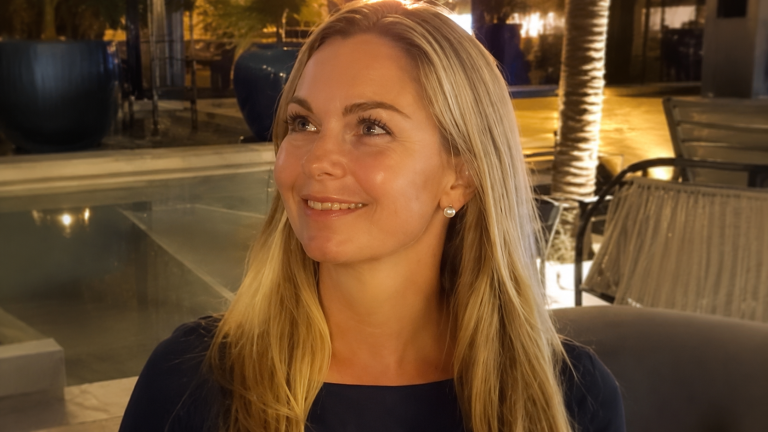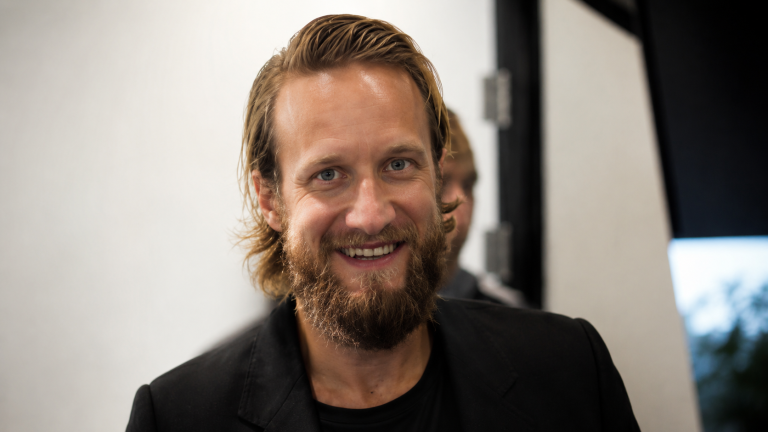
Beauty customers have become increasingly difficult to convince, not because they care less about appearance, but because they have heard every promise already. The market is saturated with products claiming to improve confidence, simplify routines, and redefine self-care, yet many consumers quietly move from brand to brand without building real loyalty. Visibility has become easier to manufacture than trust. Andrea Isaksen built AVELIA BEAUTY inside that reality rather than pretending traditional beauty marketing still worked the same way.
The company emerged during a period when beauty consumers were becoming more selective about the businesses they supported. Customers no longer judged brands purely by aesthetics or influencer partnerships. They paid closer attention to consistency, emotional tone, and whether companies felt genuinely aligned with how people actually live. AVELIA BEAUTY positioned itself around a calmer and more sustainable relationship with beauty, focusing less on pressure-driven transformation and more on long-term customer comfort.
That difference gave the company a noticeably steadier identity in a highly competitive industry. Many beauty businesses operate through constant urgency, relying on rapid launches and trend cycles to maintain relevance. Andrea Isaksen appeared more interested in building emotional credibility over time than generating temporary spikes of attention. AVELIA BEAUTY developed around that slower and more disciplined understanding of consumer trust.
The Problem AVELIA BEAUTY Was Really Solving
The beauty industry often creates emotional overload while claiming to improve wellbeing. Consumers are encouraged to follow increasingly complicated routines filled with products, advice, and constantly shifting standards of self-care. Many people eventually become exhausted by the pressure of trying to keep up with beauty culture itself. AVELIA BEAUTY recognized that customers were searching for simplicity and emotional stability just as much as visible results.
That realization shaped how the company approached branding and customer experience. Instead of presenting beauty as endless optimization, AVELIA BEAUTY focused on creating routines and products customers could realistically integrate into everyday life. Customers increasingly wanted businesses that felt supportive rather than demanding. Andrea Isaksen understood that emotional calmness had become commercially valuable inside industries built around overstimulation.
There was also a broader trust issue developing across the market. Consumers had grown skeptical of companies using wellness and sustainability language primarily as branding decoration without operational consistency behind it. AVELIA BEAUTY positioned itself around a more restrained and believable identity that avoided exaggerated claims. That realism helped the company feel more credible to customers increasingly tired of aggressive beauty marketing.
Why Andrea Isaksen Saw the Industry Differently
Andrea Isaksen appeared to understand that beauty businesses increasingly operate inside an environment shaped by emotional fatigue. Customers are exposed constantly to advertising, social comparison, and rapidly changing standards that often create insecurity instead of confidence. Isaksen’s approach reflected a more grounded understanding of how consumers actually experience beauty and self-care in daily life.
That mindset influenced the broader philosophy behind AVELIA BEAUTY. The company did not position itself as a brand promising dramatic reinvention or unrealistic transformation. Instead, it focused on helping customers feel steadier and more comfortable through consistent experiences and calmer communication. That distinction separated the company from competitors relying heavily on pressure-based marketing tactics.
Isaksen also seemed to recognize that long-term customer loyalty in beauty depends heavily on emotional reliability. Consumers may initially purchase products because of curiosity or visual branding, but they stay loyal when businesses feel dependable over time. AVELIA BEAUTY built its identity around creating that quieter and more durable relationship with customers instead of chasing constant online relevance.
What Made Andrea Isaksen Different From Competitors
One important difference between Andrea Isaksen and many beauty founders was restraint. The beauty market often rewards brands that move fastest, market loudest, and constantly reinvent themselves around social trends. AVELIA BEAUTY developed a calmer identity centered around consistency rather than spectacle. That approach naturally generated less short-term hype, but it strengthened long-term trust.
The company also approached customer relationships differently from many competitors. Numerous beauty brands rely heavily on creating repeat insecurity to sustain demand. AVELIA BEAUTY positioned itself around helping customers feel more settled and confident rather than permanently unfinished. That emotional distinction changed how consumers experienced the company because the relationship felt less transactional and more grounded.
Another major difference was communication style. Beauty businesses frequently market themselves using exaggerated transformation language disconnected from practical customer reality. Andrea Isaksen built AVELIA BEAUTY around simplicity, realism, and emotional steadiness. In a market increasingly dominated by overstimulation, that quieter positioning became a competitive advantage.
The Decision That Changed AVELIA BEAUTY
The defining decision behind AVELIA BEAUTY was refusing to build the business entirely around trend dependency. Many beauty brands achieve rapid visibility by aggressively adapting to every viral ingredient, aesthetic trend, or social media obsession. While those strategies can generate short-term growth, they often weaken brand identity because customers begin associating the company with temporary hype instead of durable trust.
Andrea Isaksen chose a more stable direction. AVELIA BEAUTY focused on creating a recognizable customer relationship based on consistency and emotional clarity instead of constant reinvention. That decision shaped the company’s communication strategy, product positioning, and operational philosophy. Customers increasingly viewed the business as dependable rather than opportunistic.
The risk behind that approach was substantial. Brands moving more cautiously sometimes struggle against competitors generating nonstop visibility through aggressive launches and louder campaigns. Slower positioning can reduce immediate online attention inside industries built around novelty. Yet the same discipline protected AVELIA BEAUTY from becoming interchangeable with countless beauty brands competing only for temporary relevance.
Turning Mission Into Operations
Beauty companies reveal their real values through operations rather than advertising language. Maintaining customer trust requires consistency across sourcing, communication, fulfillment, product quality, and customer support. Andrea Isaksen appeared to understand that operational reliability matters just as much as branding inside modern beauty businesses.
That operational philosophy shapes how customers experience AVELIA BEAUTY in practice. Consumers quickly notice when brands become inconsistent, difficult to trust, or disconnected from their original positioning during growth periods. AVELIA BEAUTY focused on creating smoother and more dependable customer experiences instead of relying solely on aesthetics and marketing momentum. Achieving that stability requires stronger internal systems than customers usually see directly.
The company also reflects how modern beauty brands increasingly function as emotional trust businesses rather than simple retail businesses. Customers expect transparency, professionalism, and a sense of calm alongside product performance. AVELIA BEAUTY built its operational identity around supporting those broader expectations instead of chasing purely transactional growth.
The Difficult Reality of Scaling
Scaling a beauty company creates operational pressure that can quietly damage customer trust if handled poorly. As demand grows, businesses must balance sourcing, logistics, staffing, product consistency, customer communication, and profitability simultaneously. Even respected beauty brands can lose credibility quickly when operational quality weakens during expansion periods.
Competition across the beauty industry has also intensified dramatically. Consumers compare brands instantly through influencers, reviews, social media content, and online communities. Beauty companies are expected to maintain strong aesthetics, ethical positioning, responsive customer support, and product consistency at the same time. That environment creates enormous pressure on founders trying to scale responsibly without weakening brand identity.
For Andrea Isaksen, the challenge is not simply expanding AVELIA BEAUTY further. The harder task is preserving the company’s calmer and trust-centered philosophy while operating inside a market driven heavily by speed and constant visibility. Many beauty businesses lose the emotional clarity that originally differentiated them once growth accelerates. Avoiding that outcome requires operational discipline and strategic patience.
What Andrea Isaksen’s Story Actually Reveals
The story behind Andrea Isaksen and AVELIA BEAUTY reflects a broader shift happening across modern consumer industries. Customers are becoming increasingly skeptical of brands built entirely around attention cycles and exaggerated promises. Emotional stability, trust, and consistency are becoming more commercially valuable as consumers grow more fatigued by constant marketing pressure.
It also reveals how difficult sustainable brand building has become inside industries shaped by novelty and visibility. Businesses must remain commercially relevant without becoming emotionally exhausting for customers. AVELIA BEAUTY suggests that calmer and more disciplined companies may ultimately create stronger long-term customer relationships than brands built purely around temporary hype.