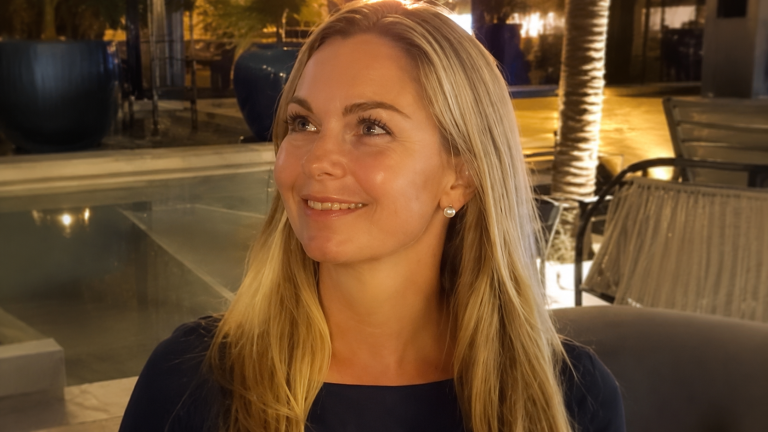
The modern interiors market has become unusually predictable. Scroll through enough online home stores and the differences begin to disappear: the same neutral palettes, the same seasonal aesthetics, and products designed more for algorithms than real living spaces. Consumers may have more options than ever, but many still struggle to find products that feel personal rather than mass-produced. That frustration became the opening that Liesbeth Essers saw before launching Beauty of Things.
Instead of treating home décor as another fast-moving retail category, Essers approached it as a design problem. She noticed that customers wanted interiors with more individuality but often had to choose between expensive boutique pieces and generic mass-market products. Beauty of Things was created to sit in the middle of that gap, offering design-led lifestyle products that felt artistic without becoming inaccessible. The company’s identity grew around original patterns, thoughtful production, and a quieter approach to sustainability that relied more on operational choices than marketing slogans.
That positioning gave the brand a different tone from many newer lifestyle companies. Rather than flooding customers with endless product drops and trend-driven collections, Beauty of Things focused on creating products people could live with for years. In an industry where speed usually dominates strategy, that restraint became one of the company’s most defining characteristics.
The Problem Beauty of Things Was Really Solving
Most interior brands compete on visibility. They invest heavily in presentation, advertising, and trend forecasting because customers often make fast emotional decisions while shopping for home products. Yet many consumers eventually discover that highly marketed products do not always improve the feeling of a space. Homes begin to look temporary, overly styled, and strangely impersonal. Beauty of Things was built around the belief that people were growing tired of that cycle.
Beauty of Things focused on creating products that carried a stronger sense of identity. Instead of copying whatever aesthetic was dominating social media at the time, the company leaned into original artwork and design-driven collections. That decision mattered because customers were not only buying blankets, bedding, or interior accessories. They were buying a feeling that their home reflected their own taste rather than a trend forecast created six months earlier.
The company also recognized another growing frustration inside the interiors market: uncertainty around manufacturing. Customers increasingly care about how products are made, where materials come from, and whether sustainability claims are genuine or simply branding language. Beauty of Things responded by emphasizing local production choices, more responsible materials, and reduced environmental impact where possible. Those decisions may sound operational on the surface, but they helped establish trust in a crowded category where trust is often weak.
Why Liesbeth Essers Saw the Industry Differently
Liesbeth Essers did not appear interested in building the loudest brand in the room. Her approach reflected a more careful understanding of how people actually interact with interior products over time. Many companies treat home décor as seasonal entertainment, constantly replacing styles to encourage repeat purchases. Essers seemed more interested in permanence — products that customers would continue enjoying after trends shifted elsewhere.
That mindset influenced the company’s entire direction. Beauty of Things was not built around endless expansion into every possible category. Instead, the brand developed around consistency in design language and product philosophy. Original patterns, artistic collaborations, and controlled product development became part of how the company separated itself from larger retailers that relied mainly on scale.
There was also a psychological difference in how Essers approached competition. Many younger lifestyle brands try to imitate the appearance of luxury while competing on lower pricing. Beauty of Things avoided that trap by focusing less on status and more on atmosphere. The company’s products were designed to feel thoughtful rather than aspirational, which gave the brand a calmer and more grounded identity than many competitors in the same market.
What Made Liesbeth Essers Different From Competitors
The strongest difference between Liesbeth Essers and many competitors was clarity. Beauty of Things understood exactly what kind of customer it wanted to attract and what kind of products it did not want to become. That clarity prevented the company from drifting toward trend-heavy retail strategies that often dilute smaller design brands over time.
The company also treated design as a long-term asset instead of temporary decoration. Many interior retailers rely heavily on market research to predict what consumers may want next season. Beauty of Things leaned more heavily into originality and artistic direction, creating products with a recognizable visual identity. That approach naturally limited how quickly the company could scale, but it also made the brand easier to remember.
Another important difference was operational consistency. Customers increasingly notice when a company’s sustainability language does not match its business practices. Beauty of Things attempted to align its product philosophy with manufacturing choices, sourcing decisions, and material selection. In practice, that creates more pressure on margins and logistics, but it also gives customers stronger reasons to trust the brand beyond aesthetics alone.
The Decision That Changed Beauty of Things
The most important decision Beauty of Things made was refusing to compete purely on trend speed. For many small retail brands, rapid expansion into new collections feels necessary for survival. New launches create attention, social media visibility, and repeat customer engagement. But that strategy also creates creative exhaustion and operational instability, especially for companies still building their identity.
Liesbeth Essers chose a slower and more selective direction. Beauty of Things focused on maintaining a recognizable design language rather than constantly reinventing itself. That decision shaped everything else inside the business, from production planning to customer expectations. Customers began associating the company with a particular atmosphere rather than a rotating list of fashionable products.
The risk behind that strategy was significant. A slower product cycle can reduce short-term excitement and limit rapid revenue growth. In highly visual industries, brands that move more carefully sometimes struggle to dominate attention online. Yet the same decision protected Beauty of Things from becoming interchangeable with dozens of trend-driven competitors chasing the same aesthetic at the same time.
Turning Mission Into Operations
Many companies speak confidently about sustainability until operational decisions become expensive. The real challenge is whether a company continues prioritizing those values when supply chains tighten, production costs increase, or faster alternatives become available. Beauty of Things attempted to integrate its values into operational decisions rather than treating them as separate marketing campaigns.
That included attention to production methods, materials, and sourcing choices. The company emphasized reducing unnecessary environmental impact where possible while maintaining product quality and design integrity. Those decisions affect every layer of the business, including manufacturing timelines, supplier relationships, shipping logistics, and pricing strategy. Sustainability becomes far more complicated when it moves from messaging into execution.
Beauty of Things also approached growth carefully through both direct customer sales and wholesale opportunities. Expanding through retail partnerships creates visibility, but it also introduces pressure around consistency, fulfillment, and product reliability. For a design-led business, wholesale growth only works if the products remain distinctive enough to justify shelf space in a crowded interiors market.
The Difficult Reality of Scaling
Scaling a lifestyle brand often creates tensions that customers never see. Growth increases demand for inventory, customer support, logistics management, and product development all at once. For smaller companies, even successful growth can strain the systems that originally made the business appealing. Beauty of Things faces the same challenge confronting many independent design brands: how to grow without losing identity.
Competition inside the interiors market has also intensified dramatically. Social media platforms reward constant visibility, which encourages brands to produce more content, more launches, and faster reactions to trends. That environment can place enormous pressure on companies that prefer a more deliberate creative process. Businesses that move slowly risk disappearing from consumer attention, even if their products remain strong.
Leadership pressure becomes heavier during that stage. Founders who initially focused on creativity suddenly spend more time handling operations, logistics, hiring, and financial planning. Maintaining product quality while expanding categories or production volume becomes increasingly difficult. For Beauty of Things, the challenge is not simply getting bigger. It is staying recognizable while navigating growth pressures that often push smaller brands toward compromise.
What Liesbeth Essers’s Story Actually Reveals
The story behind Liesbeth Essers and Beauty of Things reflects a broader shift happening across modern consumer businesses. Customers are becoming more selective about what they bring into their homes, and they increasingly expect brands to stand for something beyond visibility. Design alone is no longer enough. Trust, consistency, and operational honesty matter just as much.
At the same time, the company’s growth challenges reveal how difficult it has become to build a focused brand in a market designed around constant acceleration. Beauty of Things suggests that slower, more intentional companies can still succeed, but only if they remain disciplined about what they are trying to become. That may ultimately be the company’s strongest advantage.