Cities were designed for movement, productivity, and speed. They were not designed for recovery.
Modern urban life pushes people through constant stimulation — traffic, notifications, deadlines, noise, crowded schedules, and environments that rarely allow the nervous system to fully settle. Over time, exhaustion becomes normalized so gradually that many people stop recognizing it as exhaustion at all.
That reality helps explain the positioning of Roan Admiraal and Lifestyle City Spa.
Rather than treating wellness as occasional luxury, Admiraal appears to approach it as infrastructure for modern living. The company’s philosophy seems built around a simple but increasingly relevant insight: in overstimulated cities, calm itself becomes valuable.
Not as performance. Not as branding theater.
As necessity.
The Problem Lifestyle City Spa Was Really Solving
For years, spas and wellness centers marketed escape. Temporary indulgence separated from daily life.
But urban consumers changed.
People no longer want wellness experiences that feel disconnected from reality. They want environments capable of helping them function more sustainably inside demanding lifestyles. Recovery is becoming less associated with luxury and more associated with survival.
Lifestyle City Spa appears to have recognized that shift early.
The company seems positioned around solving a modern urban problem many businesses underestimate: chronic overstimulation. Long work hours, digital fatigue, social pressure, and fragmented routines leave many consumers mentally exhausted before physical symptoms even appear.
Roan Admiraal appears to understand that wellness today is deeply environmental.
Lighting, sound, atmosphere, pacing, communication style, and emotional comfort all influence how people experience recovery spaces. Consumers are not simply purchasing treatments anymore. They are purchasing temporary relief from environments that rarely allow psychological decompression.
That changes what successful wellness businesses look like.
Why Roan Admiraal Saw the Industry Differently
Traditional wellness businesses often focused heavily on luxury signaling. Expensive aesthetics. Exclusive branding. High-end presentation designed to create aspiration.
Roan Admiraal appears more interested in emotional usability.
That distinction matters.
Many consumers now associate overly polished wellness environments with social performance rather than genuine recovery. Spaces designed to impress visually can sometimes feel emotionally uncomfortable, especially for people already carrying stress and mental fatigue.
Lifestyle City Spa seems positioned differently.
Instead of emphasizing exclusivity alone, the company appears focused on creating urban wellness environments that feel approachable, restorative, and operationally calming. That creates a more sustainable relationship with customers because people return repeatedly to spaces where they actually relax rather than spaces that simply photograph well.
Admiraal also seems aware that modern wellness has become psychological as much as physical. Consumers increasingly evaluate whether environments reduce stress immediately upon entering.
That emotional response cannot be manufactured entirely through luxury branding alone.
It requires thoughtful design.
What Made Roan Admiraal Different From Competitors
The urban wellness industry has become crowded with businesses offering similar promises — relaxation, balance, self-care, premium experiences.
Customers hear the same language repeatedly.
Lifestyle City Spa appears to separate itself by focusing less on aspiration and more on atmosphere. The company’s positioning suggests that emotional comfort, sensory balance, and consistency matter more than exaggerated luxury narratives.
That creates a different kind of customer loyalty.
Roan Admiraal also seems to understand that wellness businesses increasingly compete against overstimulation itself. Consumers are exhausted not only physically, but cognitively. Spaces that reduce friction, noise, and pressure can become unusually valuable in high-speed urban environments.
Lifestyle City Spa’s approach appears aligned with that cultural shift.
There is also restraint in the brand’s identity. Instead of aggressively selling transformation, the company seems to frame wellness as maintenance — something integrated into life rather than isolated from it.
That tone feels increasingly relevant.
Because modern consumers are becoming less interested in occasional escape and more interested in sustainable recovery systems they can realistically maintain over time.
The Decision That Changed Lifestyle City Spa
At some point, every wellness business faces a defining strategic choice: prioritize rapid commercial expansion or preserve the emotional integrity of the customer experience.
For Lifestyle City Spa, one important decision appears to have been protecting atmosphere and service quality while growing visibility.
That matters because wellness environments are unusually sensitive to operational inconsistency. Overcrowding, rushed service, noisy spaces, or impersonal interactions can damage customer trust quickly.
People notice immediately when calm feels manufactured.
Roan Admiraal appears to understand that the emotional environment itself is part of the product. That likely shaped how Lifestyle City Spa approached staffing, interior design, pacing, and overall operational philosophy.
Growth without emotional consistency would weaken the very experience customers return for.
That understanding reflects a leadership style more focused on long-term trust than aggressive short-term scaling.
In wellness industries, restraint often protects brand value more effectively than speed.
Turning Mission Into Operations
Wellness businesses reveal their values operationally faster than almost any other industry.
Customers physically feel whether environments align with branding promises.
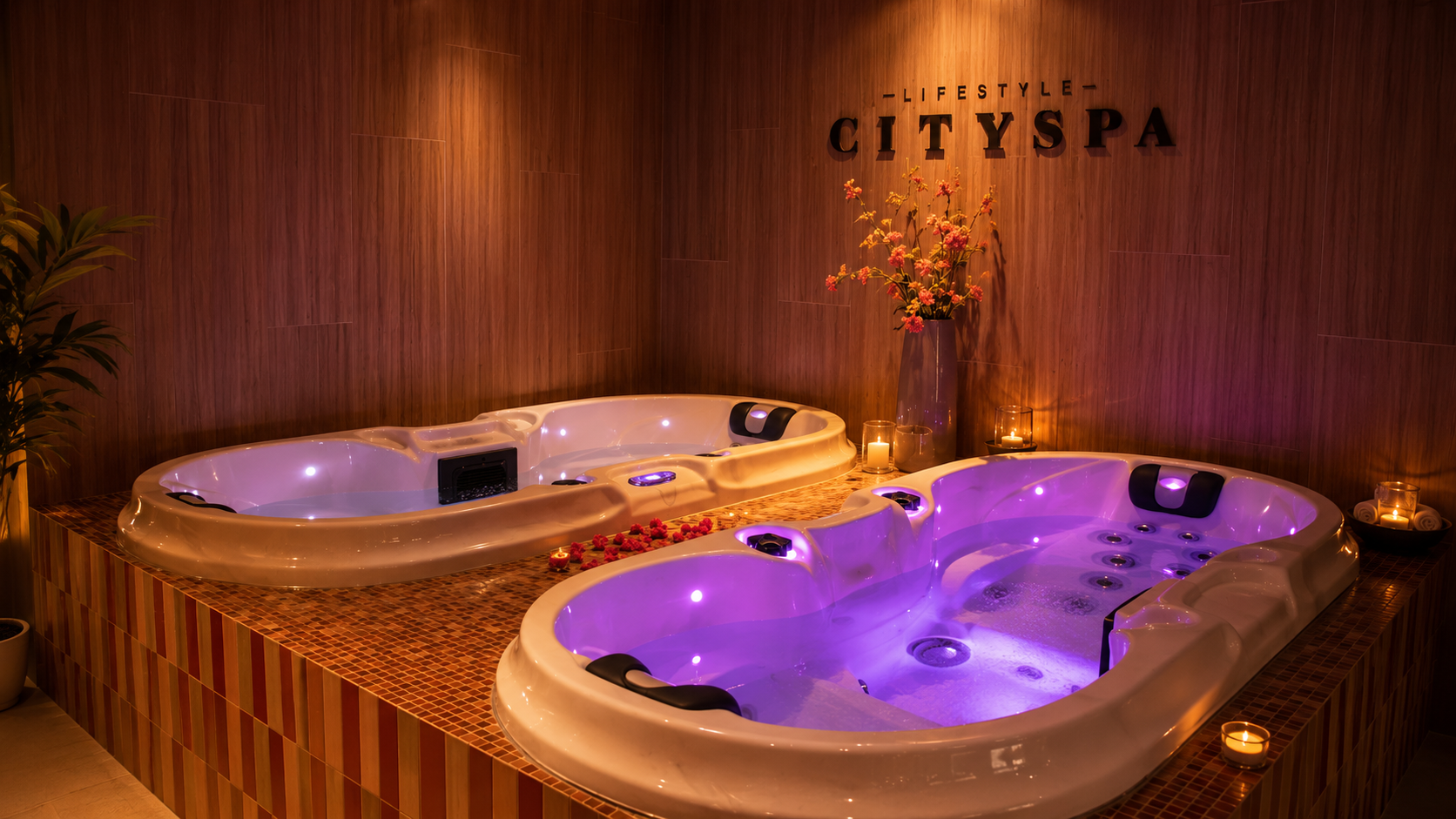
Lifestyle City Spa appears focused on translating its broader philosophy into practical sensory experiences — calm lighting, balanced spaces, attentive service, and operational consistency designed to reduce tension rather than create additional stimulation.
Those details matter more than many companies realize.
Roan Admiraal also seems aware that customer recovery begins before treatments themselves. The way spaces sound, smell, flow, and communicate emotionally influences how quickly visitors feel psychologically safe enough to relax.
That operational awareness differentiates thoughtful wellness brands from performative ones.
There is also the challenge of balancing accessibility with premium positioning. Urban wellness businesses must remain commercially sustainable while avoiding environments that feel transactional or emotionally cold.
That balancing act becomes increasingly difficult as businesses expand.
Particularly in crowded lifestyle markets.
The Difficult Reality of Scaling
Scaling wellness businesses creates unusual operational pressure because emotional consistency becomes harder to preserve at larger scale.
Growth changes atmosphere.
For Lifestyle City Spa, expansion likely introduced tension between efficiency and experience. Larger operations require tighter systems, faster coordination, and increased staffing complexity — all factors that can unintentionally reduce the calm, personal feeling customers expect.
That is difficult to manage.
Roan Admiraal also operates in a rapidly evolving wellness economy. Consumer expectations shift quickly, social media reshapes aesthetic standards constantly, and urban customers increasingly demand wellness experiences that feel authentic rather than commercially optimized.
That creates pressure to evolve continuously without becoming trend-dependent.
There is also broader skepticism surrounding wellness industries today. Consumers are becoming more cautious of performative self-care culture and businesses that market exhaustion recovery while contributing to overstimulation themselves.
Companies that survive long term must navigate those contradictions carefully.
That requires operational discipline as much as creative branding.
What Roan Admiraal’s Story Actually Reveals
The story behind Roan Admiraal and Lifestyle City Spa reflects something larger happening across modern urban culture.
People are beginning to recognize that constant stimulation carries a cost. The demand for calm, recovery, and emotionally sustainable environments is no longer niche — it is becoming structural.
That changes what valuable businesses look like.
Lifestyle City Spa appears to understand that modern wellness is less about luxury fantasy and more about helping people remain psychologically functional inside increasingly demanding cities.
And perhaps that is the deeper insight underneath Admiraal’s approach.
In environments designed constantly to capture attention, the spaces people value most may ultimately become the ones that finally allow them to exhale.