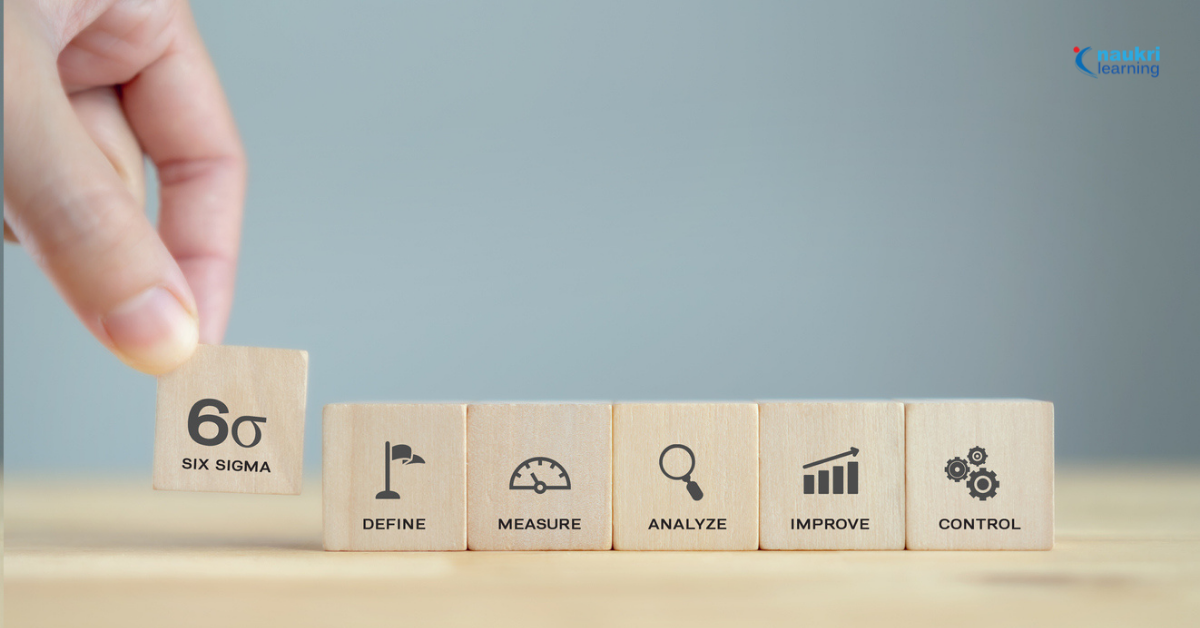
Six Sigma certifications can benefit any business or organization, and they’re quite easy to get – if you know what you’re doing. You may have heard that there are certain steps or requirements to follow to obtain Six Sigma certifications. This is accurate, but it isn’t complicated, and the entire process can be accomplished in as little as three months if you do it right.
This step-by-step guide will help you get Six Sigma certifications no matter where you work or what your specific goals are, so keep reading!
What are Six Sigma certificates?
The term six sigma was made popular in 1986 by Motorola as part of its quality control efforts. The process is used by businesses that have manufacturing processes and other large-scale operations where they strive for defect-free products or services. Companies like Toyota Motor Corporation, BMW, and Google are known for their 6 sigma certifications.
However, there’s no reason a small business couldn’t take advantage of these standards. At its core, six sigma simply means that if you do a particular activity correctly 99 percent of the time, you are vastly more productive than you would be otherwise.
Why Do You Need Them?
In a nutshell, a six sigma certification demonstrates that you’re proficient in a particular skill set or methodology. If you’re applying for a job at an organization that is big on following statistical data and best practices, being able to say you have these certifications can be your foot in the door (no pun intended).
Most people don’t need them in their day-to-day jobs, but many companies love having them anyway because it makes their employees seem more professional. Also, these types of certifications are often preferred by investors or employers over traditional degrees—so they can make a difference if that’s what you’re looking for!
What is the Purpose of the Training?
Different companies have different reasons for requiring their employees to get training. One of those reasons is that they feel it improves employee skills, making them more productive and less likely to make mistakes while working.
The idea behind employee training is that because it costs money for every single hour an employee works, any investment in employee education will be repaid with a reduced number of errors on the job and fewer hours worked by employees, thereby reducing cost.
However, if employees do not possess a high level of skill and knowledge at their jobs, additional training may not be worth its cost; employers must determine how much benefit individual education would provide them when comparing it with other ways of improving productivity.
Who Can Register for this Course?
Anyone can register for a course, but you must be an undergraduate or graduate student at an accredited college/university or a high school student currently taking classes in one of those areas. To find out what classes are appropriate for your child, consult with his/her high school.
You must bring a copy of your college transcript, diploma, or letter from your high school counselor and ID card to each class you attend. (You will not be allowed into any class without these items.)
Where Can You Find Training?
Certification training is a great place to start, but you don’t need an official seal of approval from a training provider to begin working with a project team. Many organizations offer internal courses that you can use as starting points. Just ask around your office or organization and see if there are any internal resources available.
You might even consider becoming a student member of professional associations in your field that offer low-cost certifications or continuing education courses. Taking advantage of these opportunities will help give you solid experience while also keeping costs down. If you’re still not sure where to look, review sites like LinkedIn, Monster, and Indeed for local professional groups that have low-cost training listed on their websites.
Should You Attend Online Or Classroom Training?
There are pros and cons to both online and classroom training. Classroom training is hands-on, which can be extremely helpful for beginners who want a quick introduction to quality tools, processes, and lingo. However, some people don’t feel comfortable learning in front of others or aren’t sure about how much time they want to commit to learning new skills.
Both options come with their challenges, but classroom training is more likely than not going to cost you more money and offer fewer opportunities for flexibility. If possible, try both approaches before you make your decision so that you can decide what works best for your lifestyle and comfort level. You’ll also be able to compare each option by knowing what materials will be covered during your class or training session.
Is It Possible To Have More Than One Certificate?
Yes. To earn a six sigma black belt certification, you must earn four other credentials before applying for and obtaining your Black Belt. Earning your first certification in Quality Engineering is probably your best option for getting started on your path to obtaining all six certifications. It’s an entry-level certification that does not require experience with other Six Sigma programs, but it’s still an excellent qualification for working in quality assurance or even starting a business of your own.
Earning a six sigma green belt certification is also relatively easy—only two years’ worth of relevant work experience is required before you can apply—and it might be worth it just so you have something more impressive than Six Sigma on your resume or CV.
Conclusion
The Six Sigma certification is important to any business or industry, but especially to the medical, insurance, manufacturing, and technology industries. If you want to expand your career opportunities and improve your employability, knowing how to get Six Sigma certifications can help you achieve these goals. This guide will give you tips on how to get Six Sigma certifications and keep them current, along with information on what they mean and where you can find more information about them.